
Understanding how poker blinds structure explained works matters when you are trying to read a table on a phone screen. The forced bets that drive action look simple on paper, but they behave differently when your thumb is scrolling through a lobby instead of sitting at a felt table. We have broken down the timing, the escalation, and the way this affects real-money and social play so you can judge a product by how it handles the clock and the money.
How the Clock Shapes Every Hand
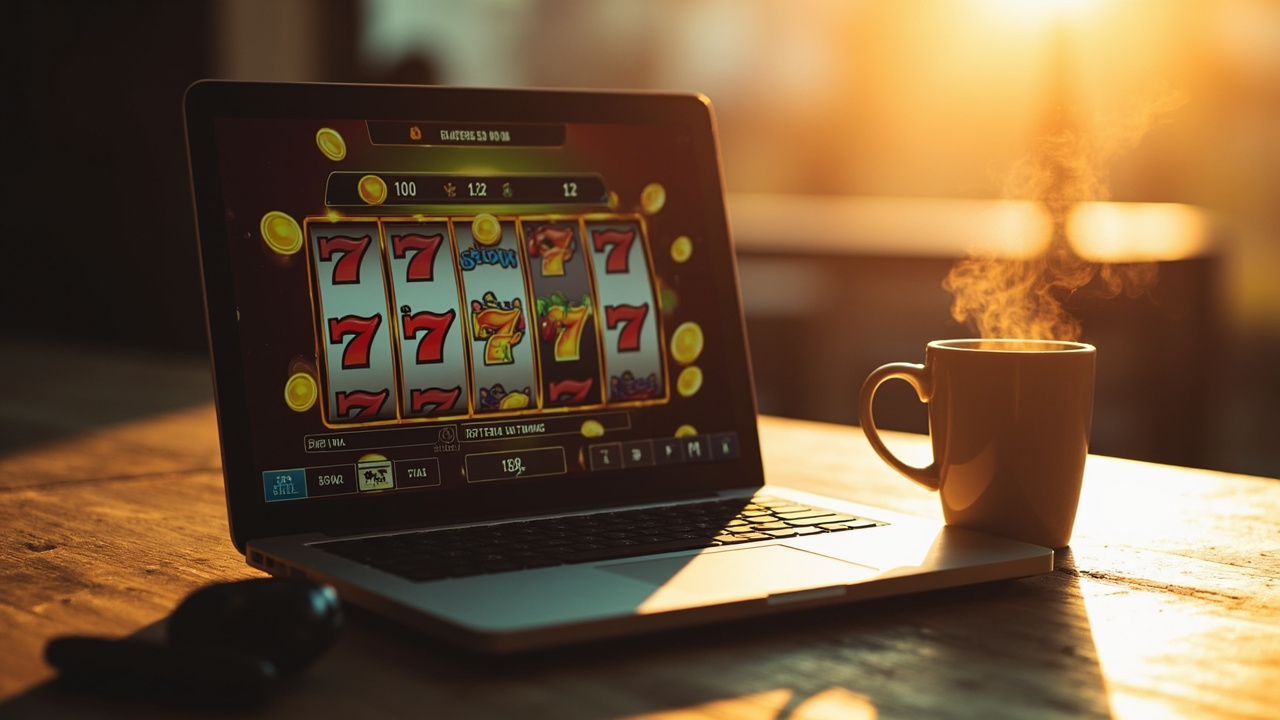
The core of any poker blinds structure explained starts with two forced bets that rotate around the table. The small blind and the big blind set a minimum price for entering the pot, and that price climbs on a timer rather than on player action. In a cash game the blinds stay fixed until someone leaves, but in a tournament or a social casino session the blinds rise at set intervals to force decisions and empty dead stacks. That timer is the real design lever, because it controls how long a table stays alive and how often players face a meaningful choice.
This timed escalation creates a natural rhythm that forces players to act before the cost of waiting becomes too high. Many online platforms now automate this process to ensure fairness and speed across digital tables. You can explore how modern interfaces handle these mechanics by visiting crownslots for desktop gaming at https://crownslotsbest.com/.
On a land-based floor you can hear the blind clock ticking from the back of the room, and you can watch a nervous player fold a decent hand just because the next level is two minutes away. That same pressure has to work on a mobile interface without feeling like a countdown bomb. The best implementations show the next blind level clearly, keep the escalation schedule visible, and let players who are away from the table know exactly what they are walking back into. If the schedule is buried in a settings page or only appears after you tap a tiny icon, the structure is there but the experience is broken.
Mobile Usability and the Timer on a Small Screen
When you are reviewing poker blinds structure explained through a mobile lens, the first thing to test is whether the blind clock survives a browser session or an app switch without resetting or confusing the player. A responsive table layout should keep the blind levels, the current pot, and the next escalation time readable without zooming or horizontal scrolling. Performance matters here too, because a laggy update when the blinds jump can make a player miss their action window and lose a hand they would have played differently.
We have shipped slot sessions where the meter had to sync across multiple devices in a busy lounge, and the lesson was that a timer is only useful if it is obvious and consistent. The same thinking applies to a poker product on a phone. Navigation should let you see the blind schedule, your stack, and the action button without digging through menus. If the mobile-first fit is real, the blind structure feels like part of the game flow rather than a separate admin screen. If it feels like you are squinting at a spreadsheet, the product has not done the work.
How Blinds Drive Bonus Mechanics and Real Money Decisions
A well-built poker blinds structure explained also ties into how a product handles bonuses, stakes, and the pace of play. In a real-money online setting, the blind levels and the minimum buy-in have to line up with the bonus mechanics so players are not chasing a promotion that the escalation schedule makes impossible to use. In a social casino product, the same structure often replaces cash with in-game currency, but the escalation curve still needs to feel fair and readable, because players judge the whole session by whether the blinds climb at a pace that matches the rewards on offer.
We have seen designs where the blind jump lands right as a bonus window closes, which turns a feature into a frustration. That is a production mistake, not a player problem. The schedule should give enough runway for a bonus to matter, and the payment or currency display should make the stake clear before the hand starts. If a product is offering Australian dollars as a display option, the blind amounts and the escalation steps need to be consistent with that currency so a player is not guessing whether a big blind is a true dollar value or a converted figure. Clarity here is what separates a serious table from a gimmick.
What to Check Before You Sit Down
If you want to judge a poker blinds structure explained without wasting time at a table that does not suit you, work through the schedule and the interface before you commit any stake. The blind levels, the escalation intervals, the minimum and maximum buy-ins, and the way the clock is shown on mobile all tell you whether the product is built for steady play or just for a quick burst. A good session starts with a table where you can read the structure at a glance and know how long the blinds will stay at a level you can work with.
- Open the table or lobby and locate the blind schedule before you join, so you know the starting blinds and the next escalation time.
- Check the minimum buy-in and the currency display, and make sure the stake matches the blind levels you are about to play.
- Confirm the mobile layout shows the blind clock, your stack, and the action buttons without extra taps or scrolling.
- Note whether the product is a real-money table, a social session, or a mixed environment, and adjust your expectations to the stakes and rewards that actually apply.
- Watch the first blind increase to see whether the timer is visible, consistent, and easy to track while you are in a hand.
That routine takes a minute and it tells you more than a long description ever will. If the structure is clear and the mobile fit is solid, you can focus on the game instead of fighting the interface.
The Verdict for an Australian Player
For an Australian player looking at poker blinds structure explained, the right call is to treat the blind clock as the product’s real heartbeat. A table that shows the escalation clearly, keeps the mobile layout readable, and lines up the blinds with the bonus or currency mechanics is worth your time. One thing we keep coming back to is that a blind structure is only as good as the player’s ability to read it under pressure, and that is true whether you are at a land-based table or tapping through a session on a phone. As Liam Carter, Product Analytics Lead, Oceanic Gaming Strategy, put it, the blind schedule is the one design element that tells you whether a table respects the player’s time or just burns it.
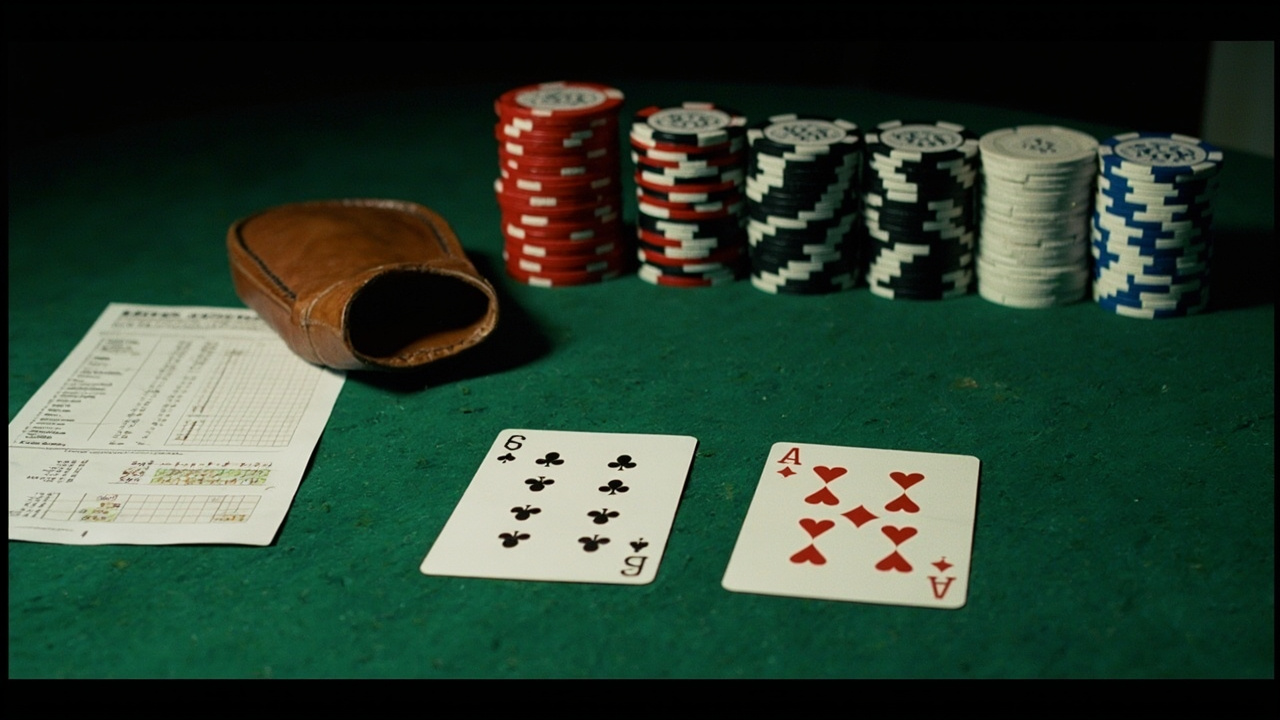
We reckon the products that get this right are the ones where the blinds climb on a schedule you can see, the mobile screen keeps the action clear, and the stake matches the currency you are actually playing in. If you are in regional Queensland and you are joining a session after a long arvo, you do not want to discover the blind level only after you have already sat down. A clear schedule, a readable mobile layout, and a structure that fits the stakes on offer are what make a poker product worth a second look.
The roulette wheel in front of you determines more about your expected result than any bet you place on it. One extra pocket is the entire difference between a reasonable game and a poor one.
The Only Roulette Decision That Matters
French rules quietly halve the cost of even money bets when zero appears, which makes them the best value on any floor that offers them. Players wanting to see which wheels are available can Richard Casino and check the table list before depositing. An American wheel should be avoided whenever a European one is within reach.
| Variant | Zeros | House Edge |
|---|---|---|
| European | 1 | 2.70% |
| American | 2 | 5.26% |
| French | 1 | 1.35% |
- Choose French or European wheels over American
- Understand that no betting system alters the edge
- Set a session budget before the first spin
Progressive staking systems circulate endlessly in roulette forums, and none of them change the underlying probabilities. Each spin is independent of the last, whatever a results board suggests. Pick the lowest edge wheel available, bet at a level you can comfortably lose, and stop at a predetermined point.