When the Flemington runners line up each spring, the noise around the track spills straight into online lobbies. A Melbourne Cup themed mini roulette board borrows that spectacle without asking punters to chase a full-size wheel’s pace. I have spent twenty-two years wiring bingo platforms and payment rails, and I still judge any new table by how quietly the ledger balances at midnight. The best operators keep the sprint short, the account controls visible, and the support team awake for the arvo rush. That is the real test, not the cover art.
What The Board Actually Delivers
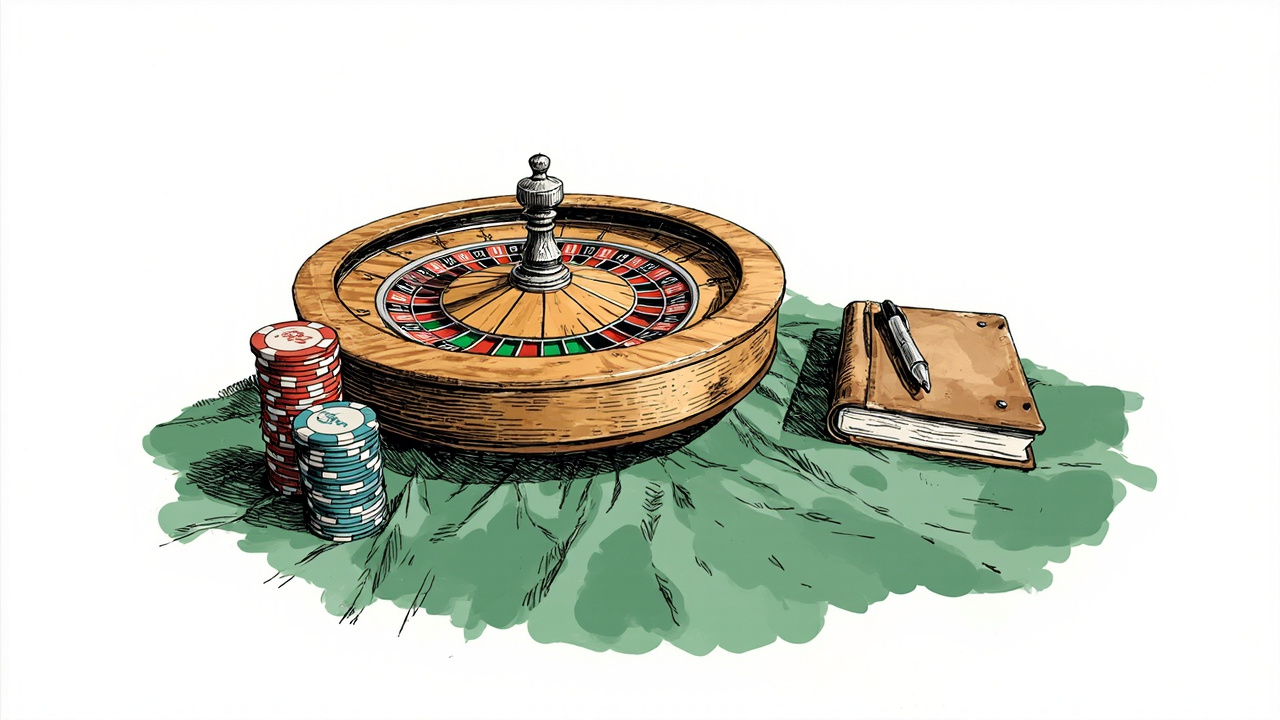
A Melbourne Cup themed mini roulette wheel shrinks the standard layout to a faster, lower-stakes table that fits a lunch break or a late arvo session. The pockets stay familiar, the betting grid stays readable, and the race-day imagery sits on the felt without cluttering the maths. I have integrated PlayWise Systems across bingo and racebook products, and I know the difference between a skin that looks busy and one that keeps the settlement logic clean. This format prioritises quick rounds and lower table limits over marathon sessions, which suits punters who want a focused flutter rather than a long grind. The game loops through a single zero layout, the dealer pacing stays brisk, and the mobile view holds its layout without forcing sideways scrolling. That restraint is deliberate, because a crowded board hides the controls that matter most when a session runs long.
Account Controls And Responsible Play Built In
Trust starts before the first spin, not after a withdrawal request lands in a queue. A proper Melbourne Cup themed mini roulette environment keeps registration, identity checks, and account limits in one visible place, so punters are not hunting through menus to find them. I have run payments and DevOps for platforms where a missing self-exclusion toggle turned a quiet support desk into a crisis by Friday evening. The safer setup exposes deposit caps, time-outs, and reality checks on the same screen where you adjust your balance, and it keeps those settings editable without a phone call. Support teams should answer within a measured window, log every request, and never ask you to bypass a geo-check or a verification step. Privacy matters here too, because payment details and session history deserve the same big-bass-bonanza-au.com encryption standards as any bingo ledger I have audited. When the controls are easy to reach, the table feels less like a lure and more like a service.
Payments, Currency, And The Local Ledger
Money movement is where a themed table either behaves like a local product or starts feeling like a generic offshore page. A Melbourne Cup themed mini roulette offering aimed at Australian adults should settle in AUD, show fees before you confirm a deposit, and keep withdrawal paths aligned with the same identity checks used at sign-up. I have built payment integrations where the currency toggle lived too deep in the settings, and punters ended up paying conversion costs they never agreed to. The cleaner approach fixes AUD as the default, lists pending versus paid balances plainly, and avoids promising instant cashouts that the ledger cannot actually guarantee. Local punters in Western Sydney want a straight path from deposit to balance to withdrawal, with support stepping in when a transaction stalls rather than hiding behind a status message. That kind of clarity keeps the experience grounded, especially when the race-day rush pushes traffic higher than usual.
Support, Licensing, And The Quiet Infrastructure
Licensing and support are the parts punters rarely see, but they are the parts that decide whether a platform survives a bad weekend. A Melbourne Cup themed mini roulette table should sit behind a licence that is clearly named, with terms written in plain language and a support path that does not depend on chasing a chatbot loop. I have spent years around operations and infrastructure, and I can tell you that the quiet systems matter more than the flashy lobby. Secure sockets, logged sessions, and separated customer data are not glamorous, but they are what keep a platform steady when a payment batch runs late or a spike hits during the first race. Operators that treat support as a cost centre usually show it in slow replies and vague answers, while those that treat it as part of the product keep notes, follow up, and close the loop. If you want to check an existing account or revisit your limits, a stellarspins login my account path should land you straight back into the same control panel, not a generic homepage with no context. Archie Wright, Managing Partner, Federation Betting Insights, has noted that themed tables perform best when the entertainment layer stays separate from the settlement layer, because punters read the room faster when the maths is not dressed up as drama.
For punters comparing different themed tables, it helps to read how other markets handle visual style and payout pacing, such as this piece on Egyptian slots and modern play, which tracks how cover art can distract from the actual table rules.

The same questions I asked when wiring a bingo platform twenty years ago still apply here: who holds the data, who answers when a balance looks wrong, and what happens when a session needs to stop. A Melbourne Cup themed mini roulette table earns its place by keeping those answers visible, not by dressing the wheel in race-day paint. When the runners break from the gates, the noise is part of the fun, but the ledger should stay quiet, the limits should stay set, and the support should still be awake when the last spin settles.